
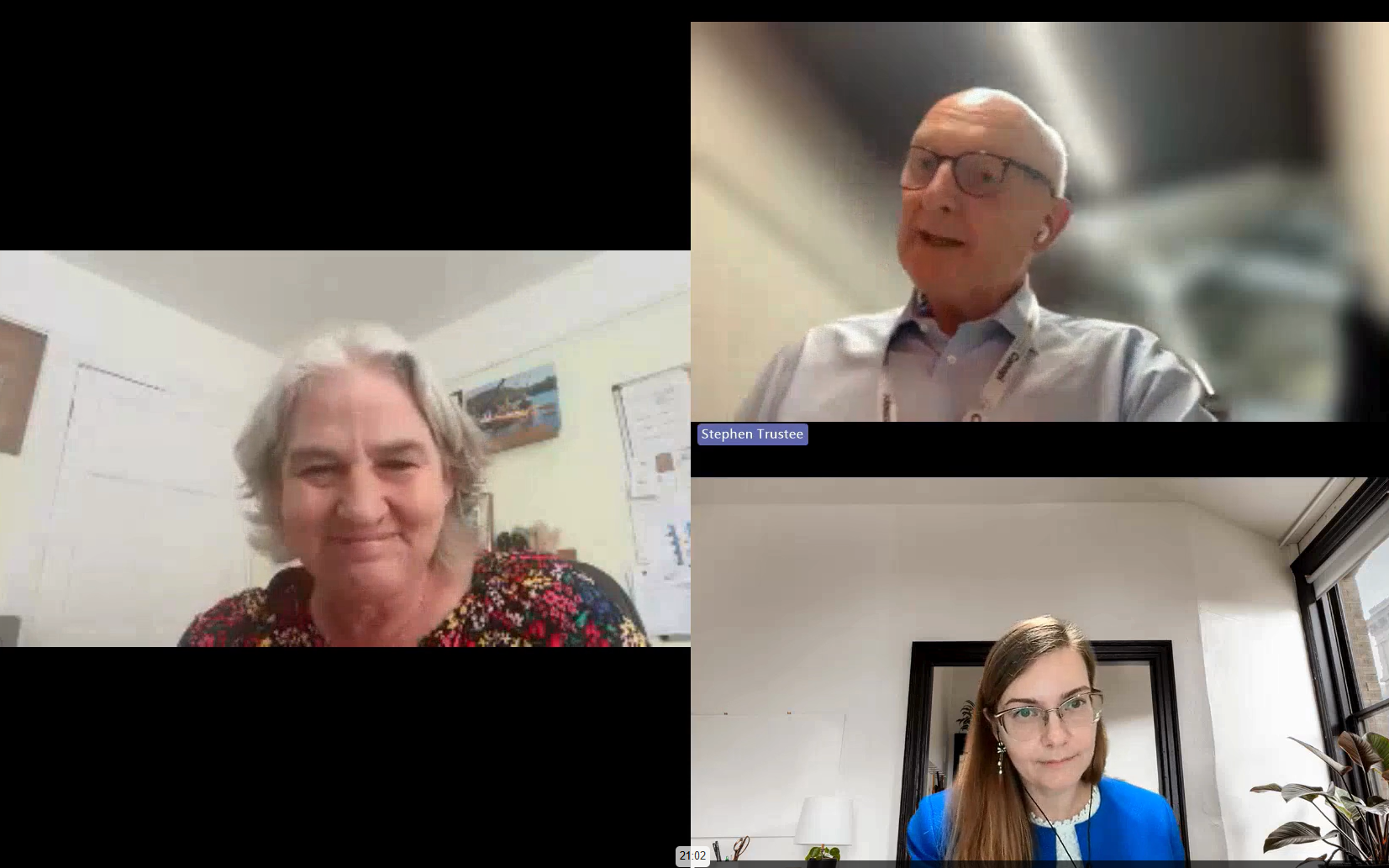
The conversation explored what being a Trustee or NED involves in practice, from understanding your legal and financial responsibilities to finding the right organisation and knowing when and how to challenge constructively. The speakers also discussed the skills that matter around a board table, including curiosity, listening, judgement and the ability to bring your professional experience into a very different environment.
For anyone thinking about becoming a Trustee or seeing charity governance as a stepping stone towards a future NED role, there was plenty of practical advice to take away. Here are some of the key tips from the conversation.
1. Choose a cause you genuinely care about
Look for charities whose mission resonates with you. A genuine interest in the organisation's work and the people it supports will make the experience far more rewarding.
2. Consider volunteering first
Volunteering can be an excellent way to understand a charity's work, culture and challenges before taking on the responsibilities of trusteeship. It also gives you valuable insight into how your skills could add value.
3. Identify your transferable skills
Think carefully about the two or three key strengths you bring. Being clear about your expertise will help you target suitable opportunities and explain why you're a good fit for a board role.
4. Adapt your CV for board appointments
Trustee and NED roles require a different emphasis from executive positions. Focus on governance, strategic thinking and the specific skills you can contribute, rather than day-to-day operational achievements.
5. Don't wait for the 'perfect' moment
There is no single point in your career when you become ready to be a Trustee. What's most important is having relevant skills, the motivation to contribute, and the time to make a meaningful commitment.
6. Be open to learning
A strong board brings together people with diverse backgrounds, experiences and perspectives. Trustees learn a great deal from one another, so curiosity and a willingness to listen are valuable qualities.
7. Expect some setbacks
Many people are unsuccessful in their first Trustee application. Rejection is often about timing or skills match, rather than capability, so don't be discouraged.
8. Understand that governance is different from management
Trustees provide oversight, guidance and challenge rather than managing day-to-day operations. Charity governance can be complex, bringing responsibilities around finance, risk and delivering impact.
9. Recognise the benefits for your own development
The skills gained through a Trustee role - such as governance, strategic decision making, finance and impact measurement - can be highly valuable in your professional career as well.
10. Build confidence through supported opportunities
If you're new to governance, programmes such as Pilotlight 360 can be a helpful way to develop board-level skills and experience in a supported environment before taking on a Trustee role.